
New stool test shows promise for easier colorectal cancer screening
May 2026
Researchers at the University of Geneva have developed a new, non-invasive way to help detect colorectal cancer using a simple stool sample. This approach uses artificial intelligence to analyze gut bacteria in much greater detail than before.
Colorectal cancer is one of the leading causes of cancer-related deaths worldwide, but it is often treatable when found early. In Canada, colorectal cancer screening is done using the fecal immunochemical test (FIT) for average-risk individuals, and colonoscopy is primarily used as a follow-up test to positive FIT results.
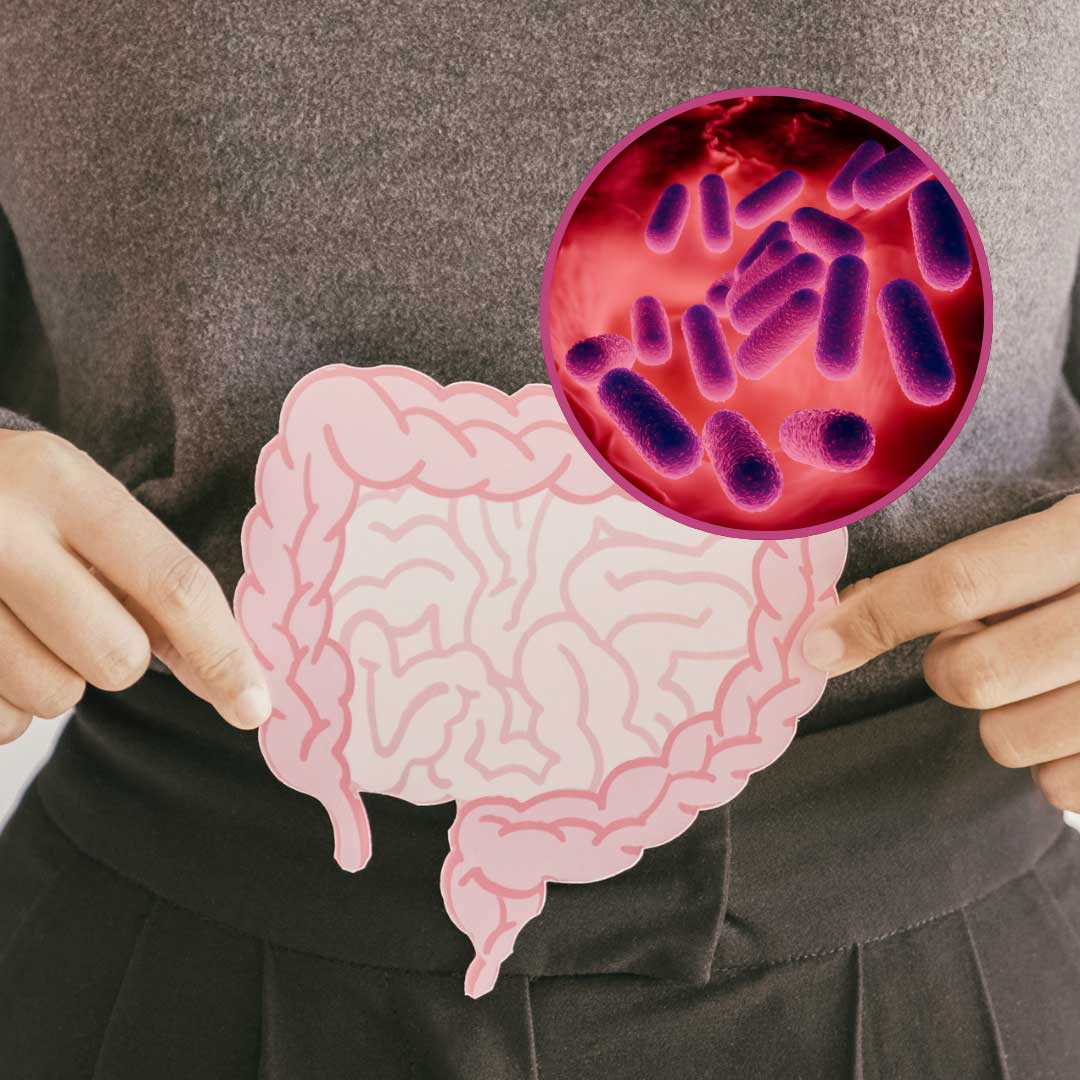
This new screening method looks at the gut microbiome, the community of bacteria living in the digestive system. Instead of studying bacteria at a broad level, researchers focused on smaller subgroups called “subspecies,” which can behave differently and may be more closely linked to disease.
Using this approach, the team created a detailed map of gut bacteria and built a model that can detect colorectal cancer from stool samples. In early results, the test correctly identified about 90% of cancer cases, close to the 94% detection rate of colonoscopy and better than current non-invasive stool tests.
In the future, this type of test could be used as a routine screening tool, with colonoscopies reserved to confirm positive results. This could make screening more accessible and increase early detection.
A clinical trial is being planned to better understand how well the test works at different stages of cancer. Researchers also believe this method could eventually be used to detect other diseases, using the same type of microbiome analysis.
Source: https://www.unige.ch/medias/en/2025/detecter-le-cancer-colorectal-grace-aux-bacteries-intestinales


