New study shows how the microbiome can impact the effectiveness of immunotherapy treatment
Researchers have discovered a new type of gut bacteria, called YB328, that may help cancer treatments work better. This bacterium was found in patients with lung and stomach cancers who responded well to a type of immunotherapy called PD-1 blockade, a treatment that helps the immune system attack cancer. Currently, only about 1 in 5 patients benefit long-term from PD-1 therapies, so finding ways to make these treatments more effective is an important goal.
In lab studies, scientists gave YB328 to mice receiving PD-1 therapy. Even when the mice had gut bacteria from patients who did not respond well to treatment, YB328 boosted their immune system, helping shrink tumors. The bacteria activated special immune cells in the gut, called dendritic cells, which then traveled to tumors and switched on “killer” T cells that destroy cancer cells.
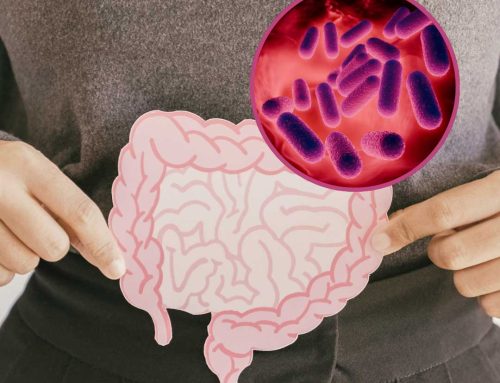
This finding shows how the bacteria in our gut, known as the microbiome, can play a major role in cancer treatment. Because YB328 is naturally found in people around the world, it may be possible to develop future therapies or supplements that include this microbe to improve cancer immunotherapy. Clinical trials will be needed, but this research offers hope for safer, more effective cancer treatments that work for more patients.
Read the full article here.