Hot vs. Cold Tumours: What’s the Difference?
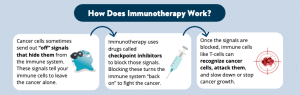
Immunotherapy is changing the way we treat cancer, including colorectal cancer (CRC), but it doesn’t work for everyone. Unlike chemotherapy, which attacks cancer cells directly, immunotherapy trains your own immune system to spot and destroy cancer. Think of it like training your immune system to become a cancer-fighting team.
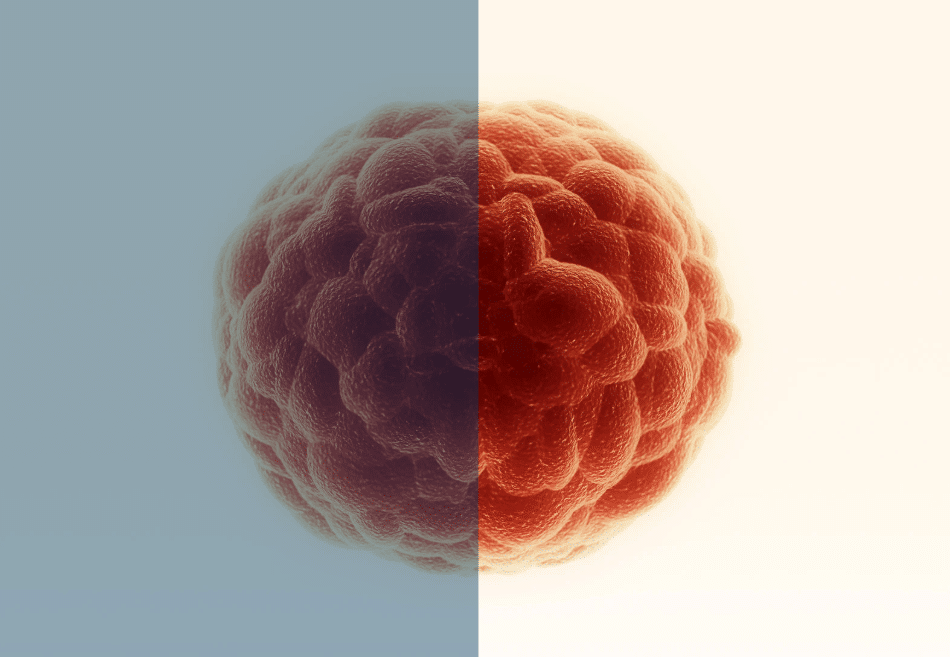
One of the key factors that determines whether immunotherapy will work is whether a tumor is considered “hot” or “cold.” Don’t worry! tumors don’t actually heat up or cool down. These terms refer to how active your immune system is within the tumor.
What Are Hot Tumours?
Hot tumours have a lot of immune activity. They are often Microsatellite Instability-High (MSI-H) or have deficient Mismatch Repair (dMMR), meaning the body’s immune system can detect them more easily. These tumours tend to have higher levels of inflammation, which makes them easier for the immune system to attack. Cancer cells try to hide from your immune system by sending “off signals” that tell immune cells to leave them alone. Certain immunotherapy drugs, called immune checkpoint inhibitors, block these signals. In hot tumours, these drugs are particularly effective, allowing immune cells to find and attack the cancer.
What Are Cold Tumours?
Cold tumours are the opposite, they are not easily recognised by the immune system. They have little immune activity (low levels of inflammation), so even with treatment, the immune system may not recognize or attack them effectively. This also means that it’s harder for checkpoint inhibitors to reach them and turn off their signals, so immunotherapy overall does not work as well for them.
But not all hope is lost for cold tumours. Researchers have been exploring different ways to turn cold tumours into hot tumours, making them more visible to the immune system and more responsive to immunotherapy.
Turning Cold Tumours Hot: A Promising Study
In one study, researchers created tiny drug carriers called nanoparticles that carried two treatments: a drug that activates the immune system (known as cGAMP), and a drug which blocks the signal cancer cells use to hide from the immune system (known as siPD-L1).
These nanoparticles were designed to easily enter cancer cells, and once inside, they can be activated by laser to boost the effectiveness of these drugs and directly kills cancer cells. In the study, the treatments made cold tumour cells more visible to immune cells and blocked the signal that helps cancer cells escape immune attack. When combined with laser treatment, the treatment shrank the tumours, reduced lung metastases, and improved survival in animal studies.
This study shows a new way to make immunotherapy work better for cold tumours that normally do not respond well.
You can read the whole study here.
https://www.science.org/doi/full/10.1126/sciadv.adr1728
Key Takeaways:
- Immunotherapy helps your immune system fight cancer. It trains the body to recognize and attack cancer cells.
- Not all tumors respond the same to immunotherapy. “Hot” tumors react well, but “cold” tumors are harder to treat.
- Hot tumors have more immune activity and inflammation. They are easier for the immune system to detect and attack.
- Cold tumors have less immune activity. They are harder to treat with immunotherapy.
- Immune checkpoint inhibitors (a type of immunotherapy) are drugs that block signals cancer cells use to hide, allowing the immune system to attack the tumor.
- Researchers are working to turn cold tumors hot, which would make them more responsive to immunotherapy.